

Campylobacter Packaging: The Additive Solution

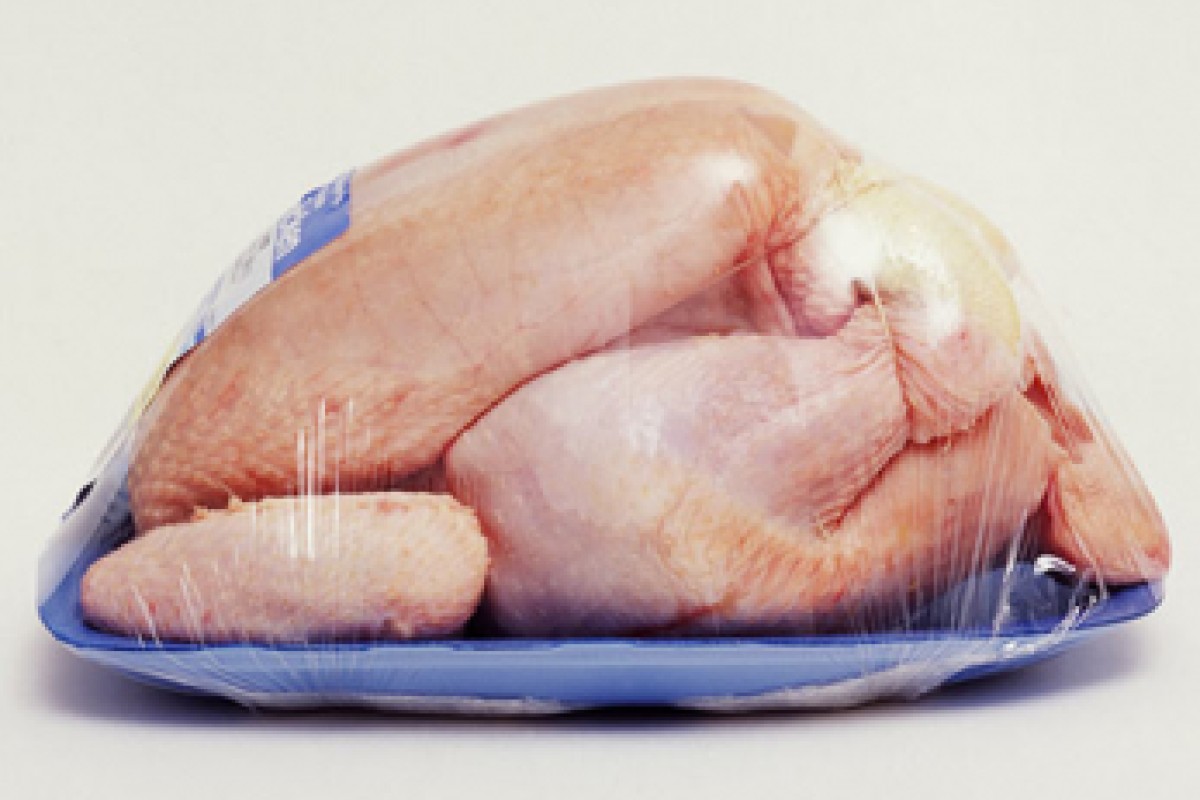
Biomaster antibacterial technology reduces food contamination from bacteria - and the risk of food poisoning - at every stage of the food chain from farm to fork.
Food packaging
Biomaster Antimicrobial Technology is a proven, ready-made solution for controlling bacterial cross-contamination in food preparation and storage environments.
Biomaster inhibits the growth of bacteria, moulds and yeast on the outer packaging of fresh meat, including films, lids and trays. Incorporating Biomaster in your packaging will ensure that Campylobacter and other dangerous bacteria cannot grow or remain on the exterior, protecting your customers at the point of sale and offering a permanent and affordable solution to the danger that they can't see.
Biomaster can be applied to packaging in a variety of ways depending on customer requirements and the food to be packed. Crucially, the active agents do not affect the food’s organoleptic properties, such as taste and smell.

Antibacterial ‘Bag for Life’
Launched at the FSA’s Food Safety Week in June 2014, the Biomaster antibacterial bag is a reusable grocery bag you can use for life safely. It is treated with technology proven to inhibit the growth of all common types of bacteria that might transfer between your bag and your groceries, reducing the likelihood of cross-infection of dangerous bacteria when purchasing and handling food.
The active antibacterial agent is built into the bag during the manufacturing process, so the protection lasts for the useful lifetime of the bag. Biomaster protection does not affect the taste or smell of the bag contents in any way.
In independent tests, Biomaster antibacterial bags are proven to inhibit the growth of most common types of bacteria including Campylobacter by more than 99%.
How does Biomaster work?


